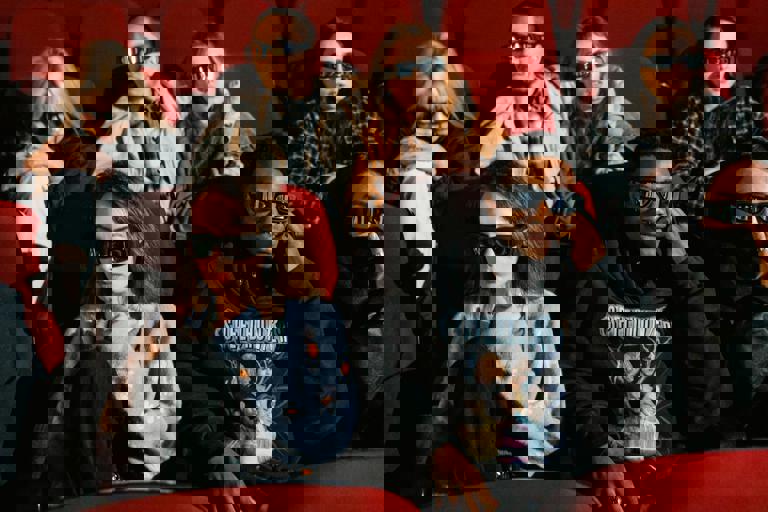
Cinema lovers descended on a single-screen theater this past Saturday night for a Midnight Cinema Marathon that promised a celebration of classic films. The event, which began at 9 PM, drew an impressive crowd, with the theater’s manager estimating more than 400 attendees. Rows of eager moviegoers, many clutching popcorn and vintage memorabilia, lined up outside, braving the cool evening air for a night devoted to silver screen legends.
The marathon’s organisers curated a lineup that spanned genres and decades, aiming to showcase the enduring impact of influential films. The program featured well-loved titles such as "Casablanca," "Singin’ in the Rain," and "Rear Window," drawing cheers from the crowd as the names were announced. Each selected film holds a unique place in cinematic history, contributing to the rich tapestry of culture and artistry that defines classic cinema.
Movie enthusiasts—ranging from lifelong buffs to new fans—found a sense of community in the shared experience. Olivia Martin, a university student and first-time attendee, remarked, “There’s something magical about watching these films with people who appreciate them as much as I do.” The theater became a hub not just for watching films, but for engaging in spirited discussions during intermissions, with patrons swapping trivia and personal favourites.
The atmosphere inside the theater was electric as the lights dimmed and the first film flickered to life. Organisers distributed themed snacks and drinks, adding festive flair to the occasion. Retro decorations lined the lobby, including cardboard cutouts of famous on-screen duos and a photo booth inspired by 1940s Hollywood. These touches transformed the event into more than just a marathon—it felt like a loving homage to cinema history.
As the night wore on, audience members demonstrated remarkable endurance, settled comfortably with cushions, blankets, and thermoses of tea. For many, the uninterrupted sequence of films heightened both nostalgia and appreciation for the craftsmanship of earlier eras. “Staying awake is a challenge,” admitted Mark Evans, a self-professed Hitchcock aficionado, “but the thrill of seeing my favourite classics on the big screen is worth it.”
The event also featured guest speakers between films, including film scholars and local critics, who provided context and anecdotes about key moments in cinematic evolution. Their insights helped deepen the audience’s understanding of the social and technical revolutions that shaped legendary movies. This educational dimension made the marathon as enlightening as it was entertaining, sparking lively conversations among attendees.
In keeping with modern cinema trends, the theater also encouraged audience engagement through social media. Attendees were invited to post photos and commentaries using a dedicated hashtag, which quickly trended locally overnight. This digital extension brought the event to a wider online audience, allowing those unable to attend in person to join in the shared celebration and reminisce about their own favourite films.
Local businesses contributed to the festivities, providing food, drinks, and raffle prizes themed around classic movies. A nearby vintage clothing shop offered discounts for patrons dressed in period attire, while an independent bookstore displayed film-related literature in the theater’s foyer. The sense of partnership underscored the event’s status as a community affair, benefiting not only film fans but also neighbouring enterprises.
As dawn approached and the marathon drew to a close, audience members expressed a mix of exhaustion and satisfaction. Applause erupted after the final credits, and many lingered to exchange thoughts on the films and the uniquely immersive experience. Some enthusiasts, already anticipating next year’s gathering, proposed suggestions for future lineups and improvements for comfort and accessibility.
Beyond its entertainment value, the Midnight Cinema Marathon highlighted the importance of preserving and celebrating film heritage. Several attendees spoke passionately about the need for continued support of independent theaters, which serve as vital cultural hubs. Organisers promised that proceeds from the event would help fund restoration projects and educational programs, ensuring that classic films remain accessible for future generations.
With hundreds in attendance, a festive atmosphere, and a renewed sense of community among film fans, the marathon was deemed a resounding success by organisers and guests alike. The combination of cinematic artistry, historical insight, and collective enthusiasm reaffirmed the enduring power of movies to unite and inspire. As the first rays of daylight touched the city, the theater’s doors closed on a night neither audience nor organisers will soon forget.